MIAMI (AP) — Josephine, which forecasters described as a “powerful extratropical low” system with tropical storm-force winds, remained offshore in the Atlantic on Thursday but brought impacts including coastal flooding and gale-force winds to the Eastern Seaboard.
Large swells that could create life-threatening surf and rip current conditions were possible along the coast up to Atlantic Canada, the U.S. National Hurricane Center said in an advisory.
Get The Latest News!
Don't miss our top stories and need-to-know news everyday in your inbox.
Josephine had maximum sustained winds of 65 mph (100 kph). It was centered about 235 miles (380 kilometers) east-southeast of Nantucket, Massachusetts, and about 335 miles (540 kilometers) south-southwest of Halifax, Nova Scotia. It was moving northeast at 17 mph (28 kph).
The Miami-based hurricane center said Josephine was forecast to continue moving away from the United States and remain south of Nova Scotia and Newfoundland. It was expected to continue gaining strength and become “a powerful extratropical cyclone with hurricane-force winds” by Thursday night or Friday.
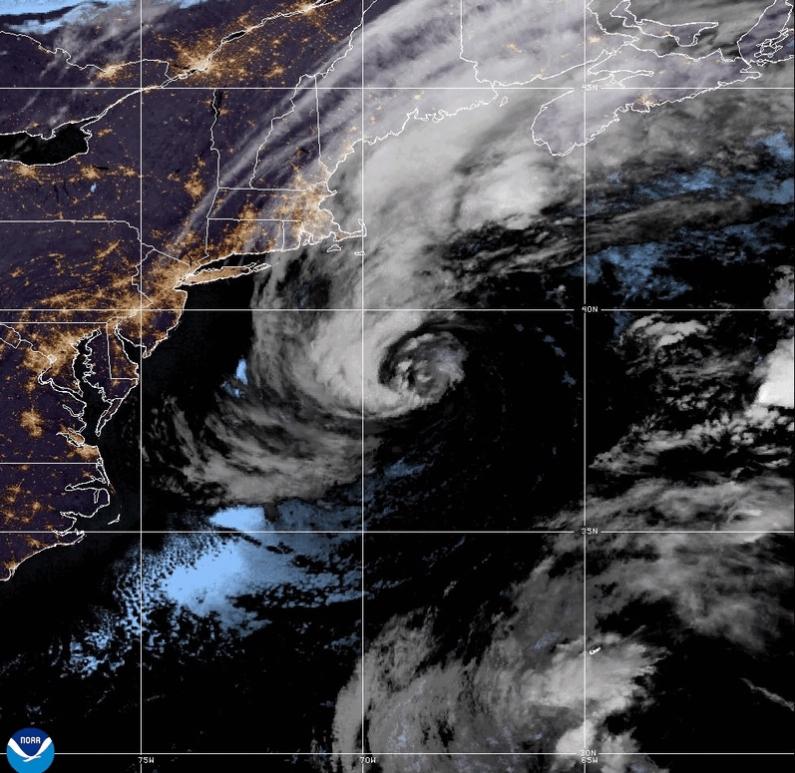
According to the NHC, an extratropical cyclone refers to a cyclone that has lost its “tropical” characteristics, and its main energy source “results from the temperature contrast between warm and cold air masses.”
The National Weather Service posted a gale warning for parts of the Northeast and mid-Atlantic, meaning winds above 39 mph (63 kph) were possible through midmorning Friday. Small watercraft were also advised of hazardous conditions south to North Carolina's Outer Banks.
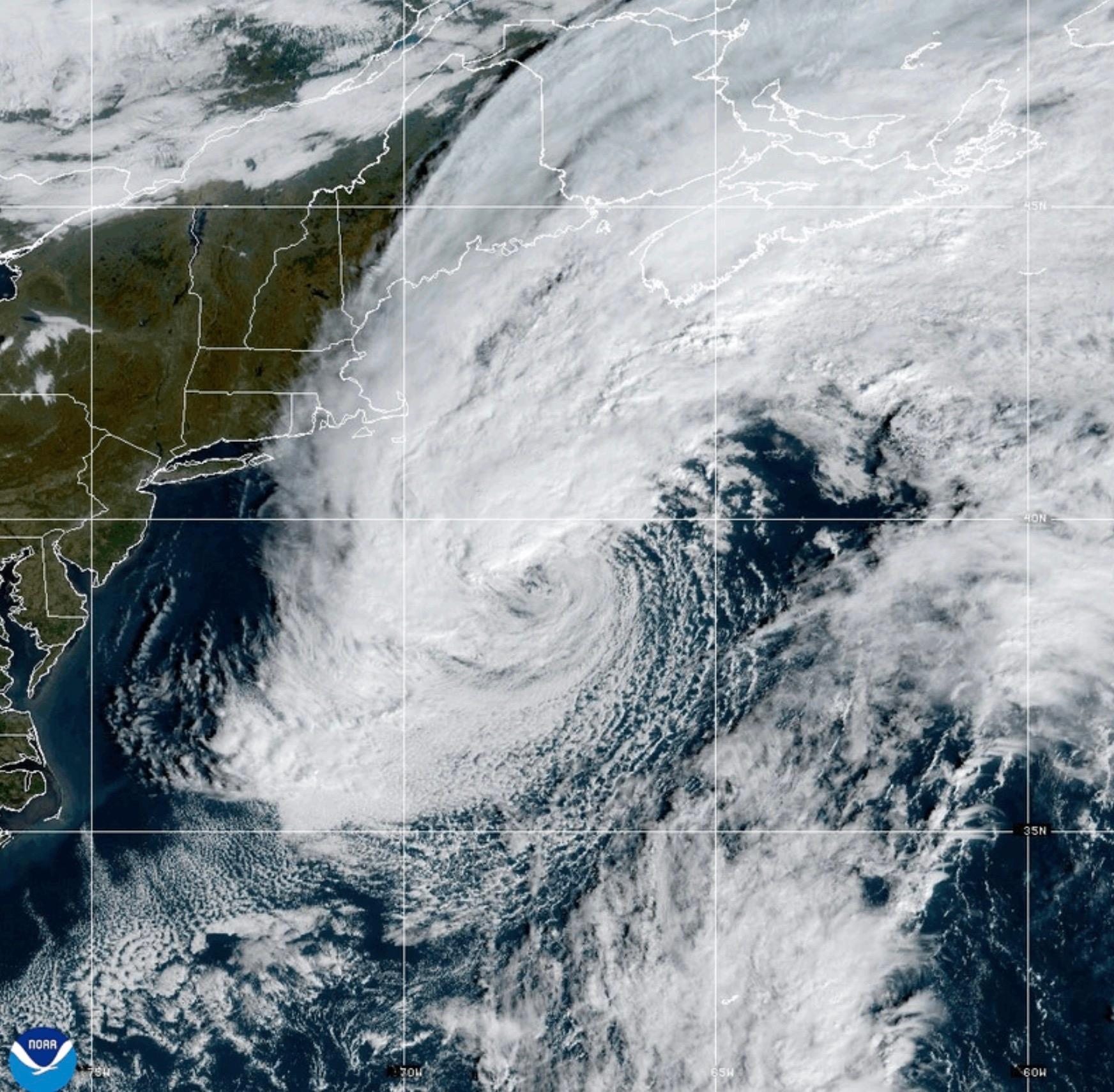
Minor to moderate coastal flooding was expected to continue through the week on the mid-Atlantic coast.
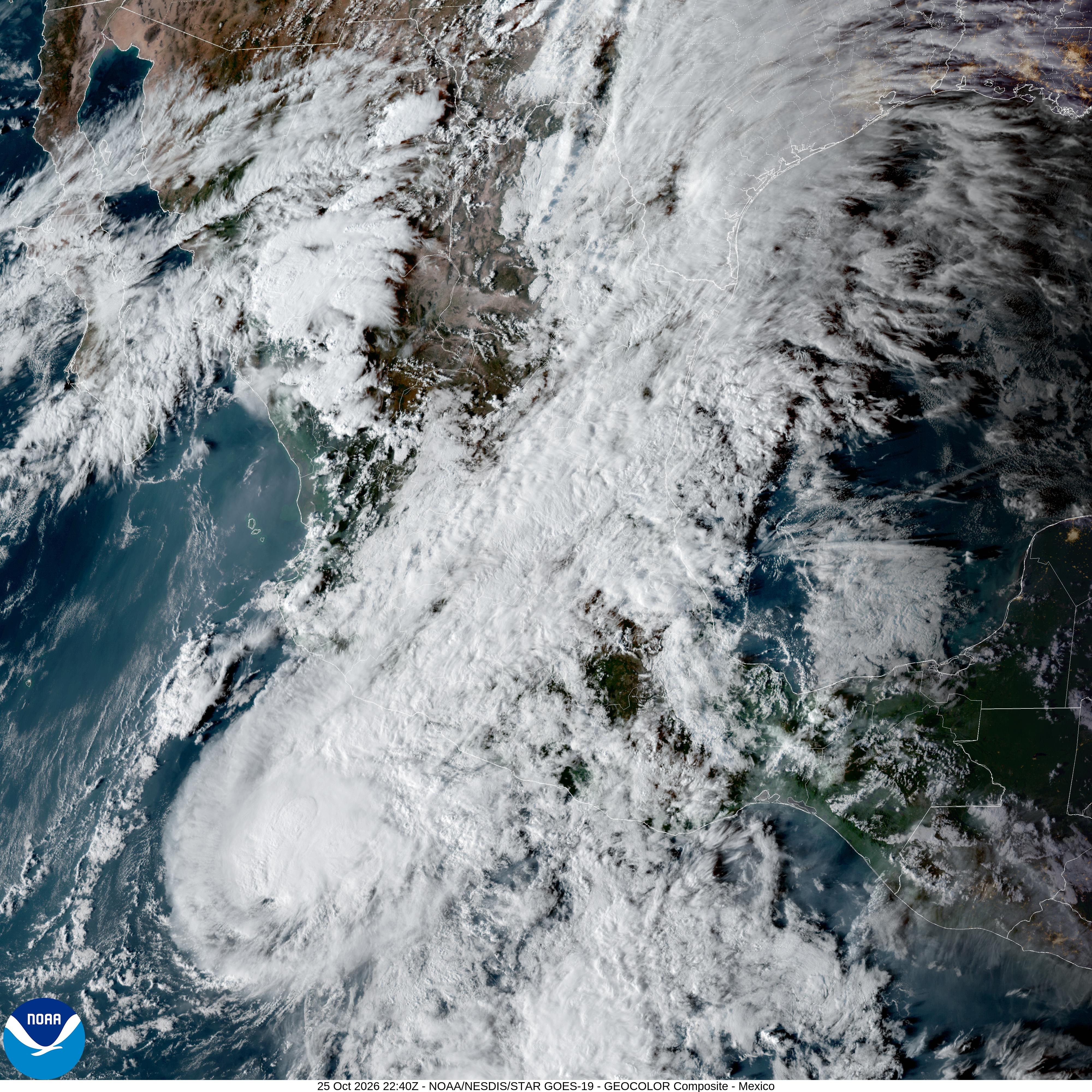
Meanwhile in the Pacific, Tropical Storm Vance was well off Mexico's southern coast and was forecast to intensify and become a hurricane and then a major hurricane by the weekend.
Vance had maximum sustained winds of 65 mph (100 kph). It was located about 490 miles (785 kilometers) south of Acapulco, Mexico, and was heading toward the west-northwest at 5 mph (7 kph).