October 24 is a date rich with historical significance, spanning centuries and touching various corners of the globe. This day has witnessed moments that shaped international relations, groundbreaking scientific achievements, cultural milestones, and much more. Let’s dive into some of the most impactful events in history that occurred on October 24, presented in chronological order to give you a journey through time.
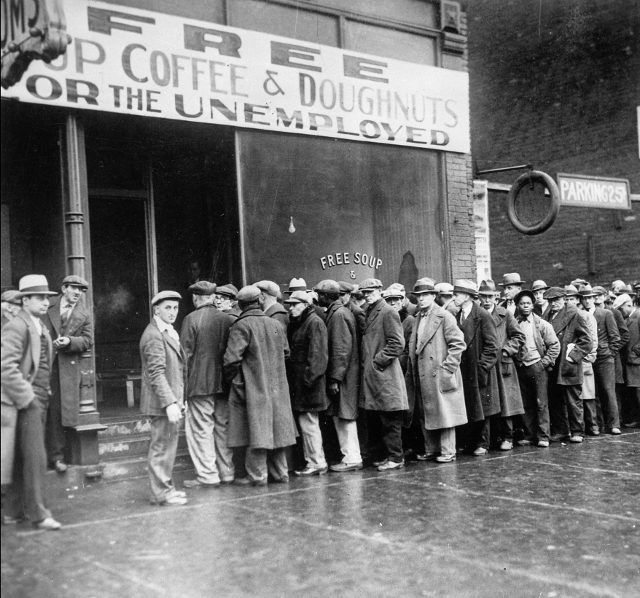
1929 – Black Thursday and the Stock Market Crash
Get The Latest News!
Don't miss our top stories and need-to-know news everyday in your inbox.
October 24, 1929, is often referred to as “Black Thursday,” a day that signaled the beginning of the stock market crash that precipitated the Great Depression. On this day, panic selling began on the New York Stock Exchange when prices plummeted dramatically. Although the market briefly recovered over the weekend, this day marked the start of a longer-term economic collapse that would deeply affect economies worldwide for years to come. The event led to widespread unemployment, poverty, and major changes in financial regulations to prevent future collapses.
1917 – The Battle of Caporetto Begins
During World War I, October 24, 1917, marked the beginning of the Battle of Caporetto, a significant and devastating confrontation between Italian and Austro-Hungarian forces, with German support. This battle took place along the Isonzo River in present-day Slovenia. The Central Powers launched a surprise attack that overwhelmed Italian defenses, causing one of the most severe defeats for Italy during the war. The aftermath forced Italy to retreat considerably, impacting the war’s dynamics on the Italian Front. The battle remains a study in military strategy and serves as a somber reminder of the human cost of war.
1945 – The Birth of the United Nations
Arguably the most globally impactful event to happen on October 24 is the founding of the United Nations in 1945. After the devastation of World War II, the international community recognized the urgent need for a new organization that would foster peace and cooperation among nations. On this day, the UN Charter was officially ratified by the majority of its signatories, marking the formal establishment of the United Nations. This organization aimed to prevent future conflicts through diplomacy, humanitarian aid, and promoting human rights. Today, October 24 is celebrated annually as United Nations Day, reminding the world of the ongoing commitment to peace and global collaboration.
1947 – The United States Tests the First Supersonic Aircraft
On October 24, 1947, the Bell X-1 aircraft, piloted by Chuck Yeager, became the first aircraft to officially break the sound barrier in level flight. This milestone represented a major leap in aeronautical engineering and opened the door for the development of faster, more advanced aircraft. The achievement symbolized post-war technological progress and had significant implications for both military and commercial aviation.
1962 – The United Nations Peacekeepers Arrive in Cyprus
In response to escalating intercommunal violence between Greek and Turkish Cypriots, the United Nations deployed its first peacekeeping force to Cyprus on October 24, 1962. This mission aimed to prevent further conflict and maintain peace on the island. It became one of the earliest and longest-running UN peacekeeping operations, exemplifying the organization’s role in conflict resolution and international peacekeeping efforts.
1973 – The Yom Kippur War Ceasefire
October 24, 1973, marked a crucial moment during the Yom Kippur War when a United Nations-brokered ceasefire came into effect between Israel and a coalition of Arab states led by Egypt and Syria. The war had begun earlier that month with a surprise attack during the Jewish holy day of Yom Kippur, leading to intense fighting and heavy casualties. The ceasefire, negotiated through intense diplomatic efforts, helped bring an end to active hostilities and paved the way for subsequent peace talks in the Middle East.
2003 – Concorde's Final Commercial Flight
On October 24, 2003, the iconic supersonic passenger aircraft Concorde made its final commercial flight. For over 27 years, Concorde had been a symbol of luxury and speed, shrinking transatlantic travel times significantly. Despite its technological marvel, factors like high operating costs, noise restrictions, and a fatal crash in 2000 led to its retirement. The final flight was both a celebration of aviation history and a nostalgic farewell to an era of supersonic travel.
2018 – International Day of Climate Action Gains Global Momentum
In recent years, October 24 has increasingly become a focal point for climate awareness and action, aligning with the United Nations’ emphasis on sustainable development. In 2018, global climate marches and campaigns were held worldwide on this date, highlighting the urgency of addressing climate change. These events mobilized millions, from students to world leaders, underlining October 24 as a day not just of reflection on history, but also of commitment to the planet’s future.
From diplomacy and peacekeeping to technological breakthroughs and social movements, October 24 has been a day that echoes through history. Each event, whether marked by triumph or tragedy, contributes to the rich tapestry of our shared human story. As we recognize these moments, we also look ahead to the future, inspired by the lessons and legacies of the past.