
This Day in Music History: September 16
September 16, 1979, marks one of the clearest turning points in modern popular music: the Sugarhill Gang released “Rapper’s Delight.” The record was not the first rap single, and hip-hop’s DJs, dancers, MCs and audiences had already built a rich culture in New York City. But its commercial reach brought rap to listeners far beyond those local scenes. Its long, playful verses, spoken in rhythm over a groove associated with Chic’s “Good Times,” showed a record-buying public that an MC performance could be the center of a hit record. The Library of Congress later added “Rapper’s Delight” to the National Recording Registry, recognizing its cultural and historical importance. The record became an early bridge between hip-hop’s community roots and the global music business that would soon be transformed by rap.
Long before that breakthrough, September 16 had helped define bluegrass. On this date in 1946, Bill Monroe and his Blue Grass Boys recorded “Blue Moon of Kentucky” in Monroe’s first session for Columbia Records. The session also put two defining musicians on record with Monroe for the first time: guitarist and lead singer Lester Flatt and banjo player Earl Scruggs. Their work helped establish the hard-driving sound later identified with bluegrass, a style named for Monroe’s band. “Blue Moon of Kentucky” itself traveled still farther. Elvis Presley reshaped Monroe’s waltz into a faster rockabilly performance for the flip side of his first Sun single in 1954, making the song an enduring example of country music’s role in rock ’n’ roll’s development.
Get The Latest News!
Don't miss our top stories and need-to-know news everyday in your inbox.
On September 16, 1966, the Metropolitan Opera opened its new home at Lincoln Center in New York with the world premiere of Samuel Barber’s “Antony and Cleopatra.” The company commissioned the opera specifically for the occasion, and Leontyne Price sang Cleopatra opposite Justino Díaz as Antony. The production, directed by Franco Zeffirelli, was designed to demonstrate the new house’s immense stage and technical capabilities. The opening was also broadcast live, extending an event for opera’s traditional audience to radio listeners nationwide. The building became one of the country’s most prominent stages for grand opera, while Price’s appearance connected the landmark night to one of the most important American soprano careers of the 20th century.
Later that same day, Otis Redding appeared on British television’s “Ready Steady Go!” during his 1966 United Kingdom tour. His official itinerary also lists two London performances at the Tiles club that night. Redding’s trip came while British groups and audiences were deeply engaged with American rhythm and blues. Television and touring allowed his intense Southern soul style to meet a wider overseas audience directly rather than only through imported records. The moment illustrates how 1960s popular music moved in multiple directions across the Atlantic: British musicians drew heavily from Black American R&B, while American performers such as Redding found enthusiastic new audiences in Britain.
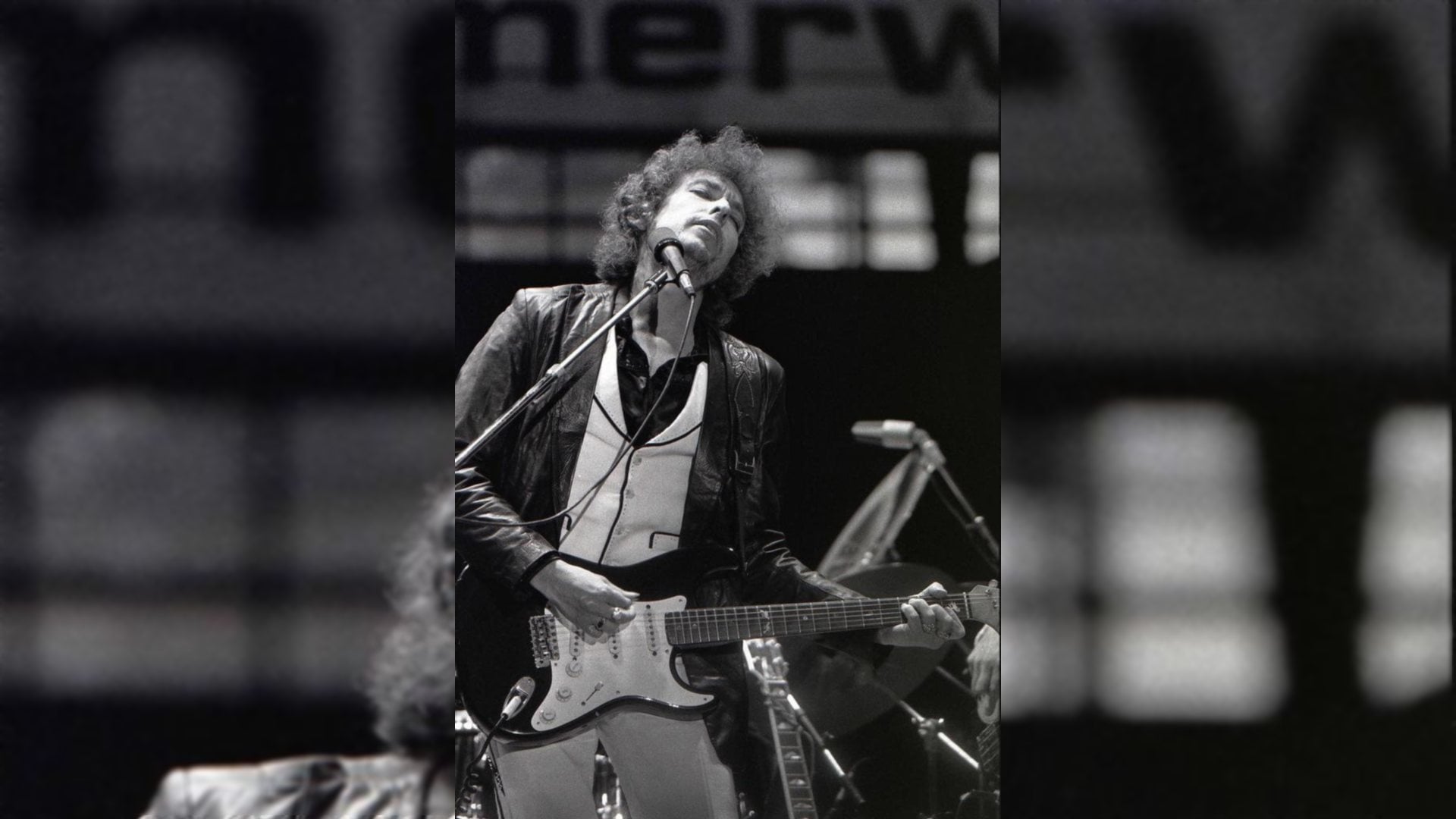
Eight years later, on September 16, 1974, Bob Dylan began the New York sessions for “Blood on the Tracks” at A&R Studios. The Bob Dylan Archive documents sessions there from September 16 through 19. Dylan continued to rethink the material after the initial recordings, eventually remaking several songs in Minneapolis before Columbia released the album in January 1975. That process matters because it left a rare, well-documented view of a major songwriter revising his work at the recording stage. The finished album’s shifting perspectives and emotionally direct songs, including “Tangled Up in Blue” and “Shelter from the Storm,” have made it a lasting reference point for singer-songwriters and listeners drawn to narrative songwriting.
September 16, 1977, brought a sudden end to the life of Marc Bolan, the 29-year-old leader of T. Rex. Bolan died in a car accident in southwest London, only two weeks before his 30th birthday. His death closed a remarkably influential run. With songs such as “Ride a White Swan,” “Hot Love” and “Get It On,” T. Rex paired concise rock hooks with boogie rhythms, theatrical style and a sense of fantasy that helped establish glam rock’s language. The band’s impact extended beyond its chart success: the Rock & Roll Hall of Fame describes T. Rex as a group that left behind a new rock style that inspired generations of musicians. Bolan’s short career remains central to the sound and visual imagination of early-1970s British rock.
On September 16, 1997, Mariah Carey released “Butterfly,” an album that signaled a decisive expansion of her musical approach. After becoming a major pop vocalist with ballads and adult-contemporary hits, Carey placed R&B and hip-hop collaborations closer to the center of her work. The album included contributions from artists and producers associated with those worlds, including Puff Daddy, Q-Tip, Bone Thugs-n-Harmony and Missy Elliott. Singles such as “Honey” and “My All” maintained Carey’s pop reach, but the record’s arrangements, remixes and guest appearances helped show how pop stardom and hip-hop could interact on equal creative terms. “Butterfly” became a template for a more genre-fluid late-1990s mainstream, and it remains a pivotal release in Carey’s catalog.
Across these September 16 milestones, music history moves from the acoustic force of bluegrass to opera’s grand stage, Southern soul on British television, Dylan’s studio revisions, glam rock’s flash and hip-hop’s commercial breakthrough. Each event reflects a different way music travels: through recordings, broadcasts, touring, performance spaces and the artists willing to redraw the boundaries of a popular sound.