For many adults, measles was once considered a normal part of childhood.
Before vaccines, nearly every child in the United States caught the virus. Today, however, public health experts emphasize that while natural immunity does occur after infection, the risks of measles are far too high when compared to the protection offered by the measles, mumps and rubella (MMR) vaccine.
Get The Latest News!
Don't miss our top stories and need-to-know news everyday in your inbox.
Measles cases have more than doubled this year compared to 2025, according to November 2026 data, shared by the U.S. Centers for Disease Control & Prevention (CDC).
Natural immunity and the role of vaccines
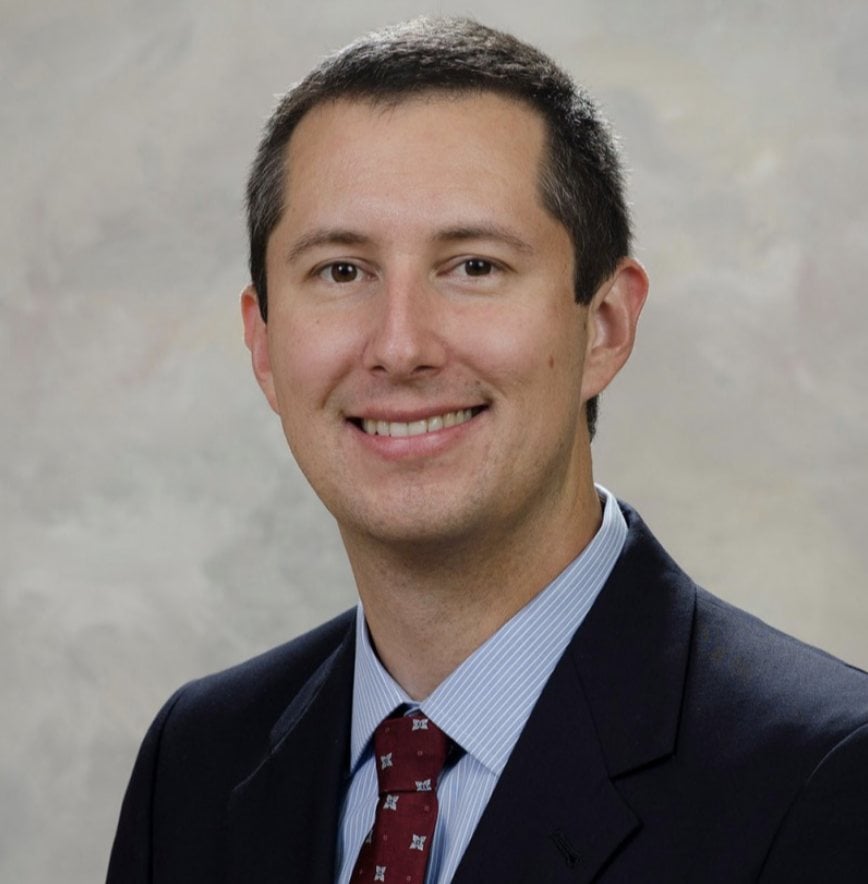
“Natural immunity is wonderful. It's part of the evolution of the human body that has taken all our exposures and creates a memory for them, so that we can protect ourselves in the future. Vaccines augment (improve) that. There are some infections that an individual doesn't have to go through, or are so severe to go through, that receiving a vaccine is more valuable,” says Doug Kasper, MD, infectious disease specialist with OSF HealthCare.
He notes that measles is one of those infections.
“Measles is highly infective and has potential complications in our child population. The key with measles is that the vaccine is so effective at preventing infection. It's unanimously beneficial to receive and has been that way for a long time in the United States.”
For older generations who remember having measles as kids, it can be easy to assume it wasn’t serious. But modern evidence paints a different picture: measles can lead to pneumonia, hospitalization, brain inflammation, long-term complications and death – even in healthy children.
Why measles vaccination remains essential for kids
“Fortunately, measles vaccination remains part of the normal pediatric vaccine schedule. It's something that would be discussed with the parent regarding their child at a standard visit,” Dr. Kasper says. “We strongly recommend all children receive all their childhood vaccinations, which includes the measles, mumps and rubella (MMR) vaccine. The timing of that vaccine begins at one year of age, but it can sometimes be given earlier if there is a local outbreak of measles in the community.”
MMR vaccination rates need to remain extremely high, typically above 95%, to prevent outbreaks. However, declining vaccination rates across parts of the Americas have caused concern. The Pan American Health Organization recently warned that the region may lose its measles elimination status without urgent action.
Parents of preschool- and kindergarten-aged children may begin discussing another vaccine option with their child's pediatrician called MMRV, which stands for measles, mumps, rubella and varicella (chickenpox). The vaccine is licensed for children ages 1 through 12 years. The first dose may be administered at 12 months of age or older. While the routine schedule recommends the second dose at ages 4-6 years, it may be given as soon as three months after the first dose. MMRV is not licensed for use in individuals older than 12 years.
Parents may be offered the option of MMRV in place of separate MMR and varicella vaccines for their child's second dose before kindergarten entry. For younger children receiving their first dose, parents should talk with their pediatrician about the benefits and risks of each option. According to the Centers for Disease Control and Prevention, MMRV is associated with a slightly higher risk of fever and febrile seizures 5 to 12 days after vaccination among children 12 to 23 months old compared to receiving the MMR and varicella vaccines separately.
Vaccines build a “library” of protection
The goal of vaccination isn’t to replace the body’s defenses – it’s to strengthen them.
“In the hospital, we tend to see people that get sicker, so that's what we focus our efforts on. But a lot of medicine is done outside of the hospital, and that is preventive medicine,” Dr. Kasper says. “So, the strategy with vaccine is to try not to get sick or try to get less sick than you would've. Use the utility of the vaccine, along with natural immunity, to build up your individual reservoir as much as possible to protect you in the future.”
This “reservoir” or “library” of immunity is especially important with a virus as contagious as measles, which can linger in the air for hours and infect up to 90% of unprotected people who are exposed.
Localized outbreaks are driving current cases
While measles is not widespread across the U.S., localized outbreaks continue to occur in communities where vaccination rates have dropped. Public health departments monitor these cases closely and respond with tools such as:
- Rapid case investigations
- Community education
- Mobile vaccination units
- Early MMR vaccination for children who qualify
Without high vaccination coverage, these small outbreaks can grow quickly. That’s why maintaining strong MMR rates is essential – to protect children, prevent community spread and preserve decades of progress toward measles elimination.