 Researchers are developing a new approach to treating glioblastoma, an aggressive form of brain cancer, by rethinking how electrical fields can be used to target cancer cells that often survive conventional treatments.
The collaborative research brings together physicians, engineers and scientists from OSF HealthCare and the University of Illinois to explore whether rotating electrical fields, known as chiral fields, could improve upon an existing FDA-approved treatment called tumor treating fields.
Get The Latest News!
Don't miss our top stories and need-to-know news everyday in your inbox.
The goal is to develop a more comprehensive approach that reaches cancer cells regardless of their orientation within the brain, potentially improving treatment effectiveness while minimizing damage to healthy brain tissue.
Glioblastoma remains particularly difficult to treat because tumors can become resistant to chemotherapy and radiation and spread throughout the brain.
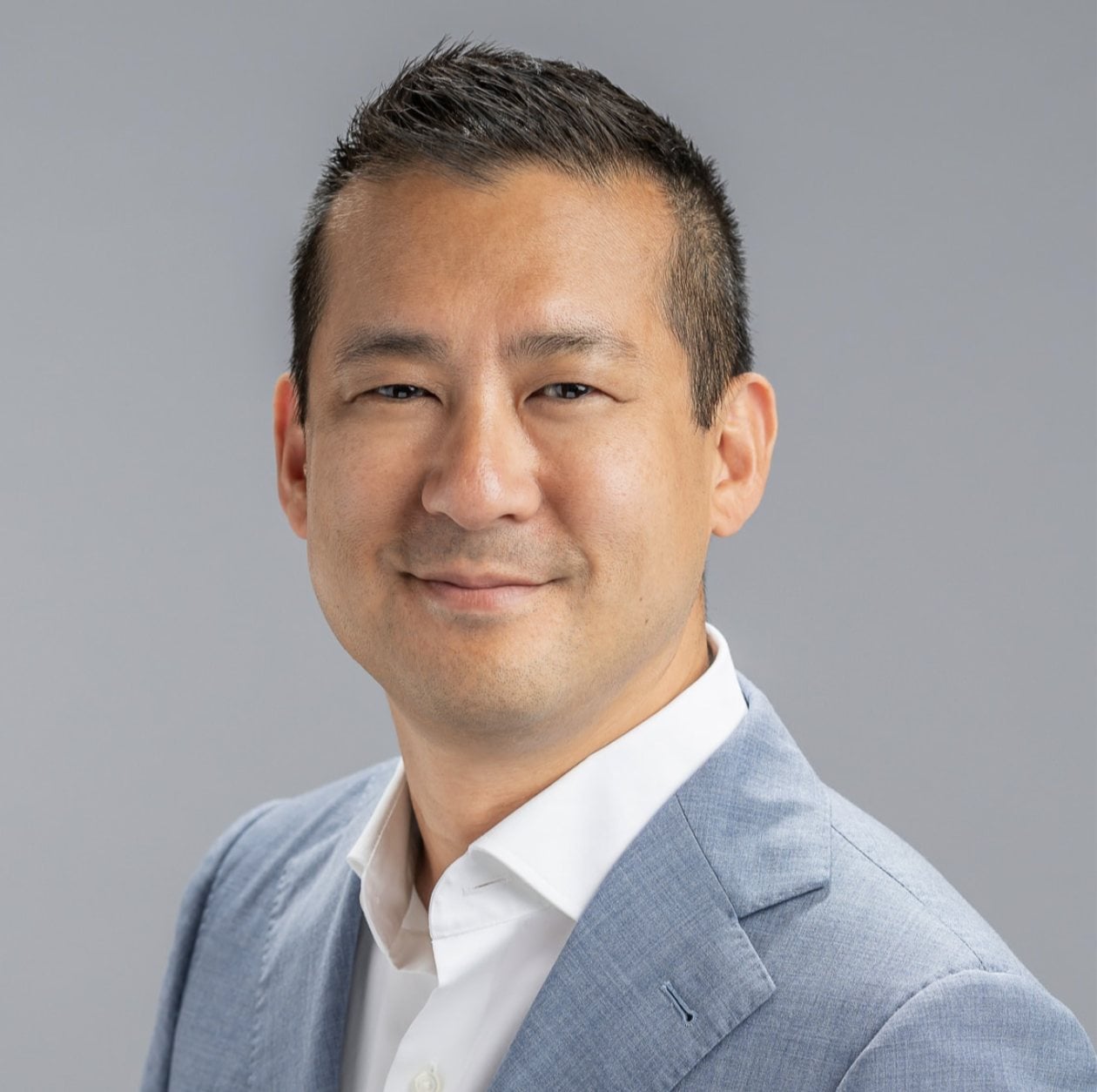
Andrew Tsung, MD, who is involved in the research through OSF HealthCare Illinois Neurological Institute and OSF HealthCare Cancer Institute. He also directs the Brain Tumor Program and Neurosurgery Brain Tumor Research at the University of Illinois College of Medicine Peoria. He says resistance is one of the biggest challenges facing people with glioblastoma.
“The big problem with glioblastoma is that they initially respond to the chemotherapy, the radiation, but ultimately we lose control, and it starts to spread, even hops around within the brain, and so there have to be other ways to treat it,” stresses Dr. Tsung.
Building on existing technology
Existing treatments can help extend patients' lives, but they are not cures. Dr. Tsung says the research is focused on building upon what already works rather than starting over. One existing treatment, Optune, uses alternating electrical fields to interfere with cancer cell division. However, researchers believe the conventional approach may not reach all cancer cells equally because tumors grow in multiple directions and orientations.
According to Dr. Tsung, new research explores rotating those fields to potentially reach a greater number of cancer cells.
“You can imagine if you apply this field if it works, and you apply it in all different directions, you’re going to capture more of those cancer cells at any given stage,” He explains, “And, these cancer cells go through different levels of development and hopefully we can capture them and prevent them from dividing because dividing is what results in growth.”
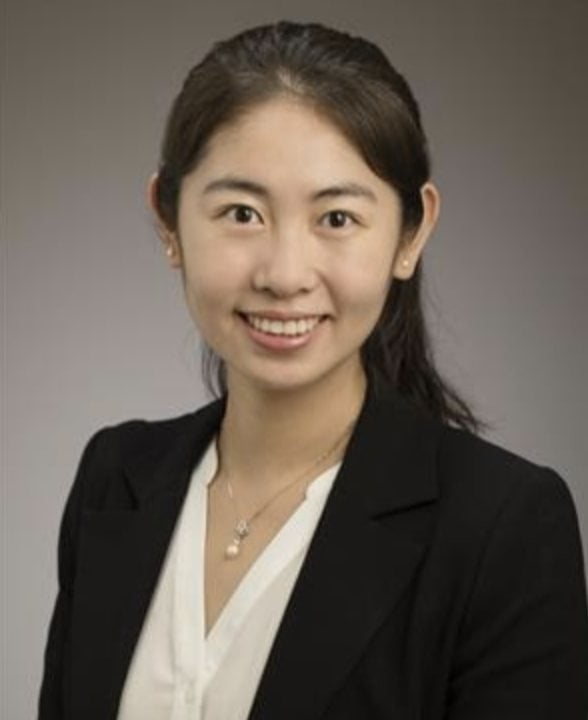
Yang Zhao, a researcher with an engineering and physics background at the University of Illinois Urbana-Champaign, is leading efforts to investigate how rotating electrical fields could improve the treatment's effectiveness.
Zhao became interested in glioblastoma after learning about the disease's devastating impact on a doctor who was treating her for an unrelated medical issue. Her interest grew while studying existing tumor treating field technology and questioning whether scientists fully understood how the electrical fields interacted with cancer cells.
"I thought ok, I'm not a medical doctor. I couldn't solve the chemical part or biology part, but at least if there is a field that actually interferes with the growth of this tumor, I really want to know how it works," Zhao shares.
The concept is particularly important because cancer cells throughout the brain are not aligned in one uniform direction.
Rotating electromagnetic fields
Zhao points out, "That's why we have these rotations of the fields to actually cover all the dimensions that the cells are going to experience, and hopefully that will generate more effective treating fields.”
The research is still in its early stages, with initial experiments taking place in laboratory settings using human cancer cells. Researchers are particularly interested in testing the technology against chemotherapy-resistant cancer cells, which are among the most difficult to treat.
Dr. Tsung says the team is using cancer stem cells harvested from patients, with their permission, to create a more challenging and realistic test of the technology.
"These are the bad things; these are the bad cells that end up recreating the entirety of a tumor, and we're treating those cancer stem cells because those are the hardest to treat.”
Researchers say preliminary results are promising, but much more testing is needed. The next steps include expanding laboratory experiments, studying the treatment in animal models and evaluating potential effects on healthy brain cells.
Zhao also envisions a future device that could be wireless, wearable and potentially customized to individual patients using brain imaging. The technology could reduce the need for bulky battery packs associated with existing treatments and give physicians more flexibility in targeting tumors.
However, both researchers emphasize that the work is still in the translational research phase and is not ready for clinical use.
For Zhao, success in the current research project would mean demonstrating that the technology works consistently in laboratory experiments and animal models, providing a foundation for future development. Zhao thinks early financial support has been critical to moving the research from an idea into experimental development. The initial funding through Jump ARCHES and the Mark Linder Walk for the Mind event has allowed the team to demonstrate feasibility and begin pursuing additional grants to advance the technology.
“Of course, we are very, very grateful for Jump ARCHES support to get us the first seed funding. [With it] we can actually show the feasibility of these devices and these new ideas,” Zhao says.
Ultimately, the researchers hope the approach could improve treatment effectiveness, potentially reduce reliance on other therapies and help preserve quality of life for those with a glioblastoma diagnosis.
Dr. Tsung believes the collaboration itself represents an important part of moving the science forward.
"It's a meld of both the biological side, the cancer side, stem cells and engineering all coming together –different institutions coming together and working together to solve a problem,” he said. "And that's really what's necessary these days to actually provide a viable result, a viable therapy, for our cancer patients."
For now, the work represents an early but potentially promising step toward improving treatment options for one of the most challenging forms of cancer.