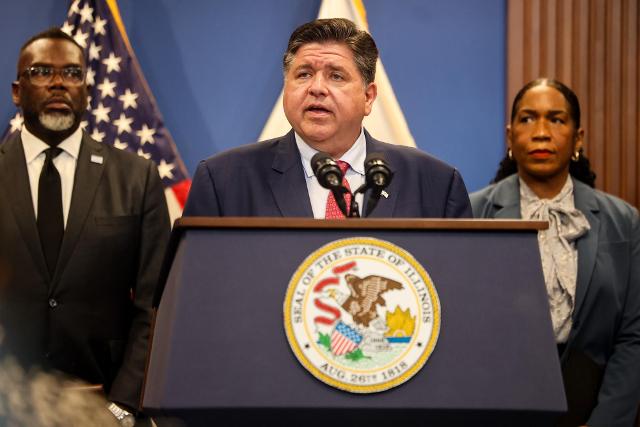
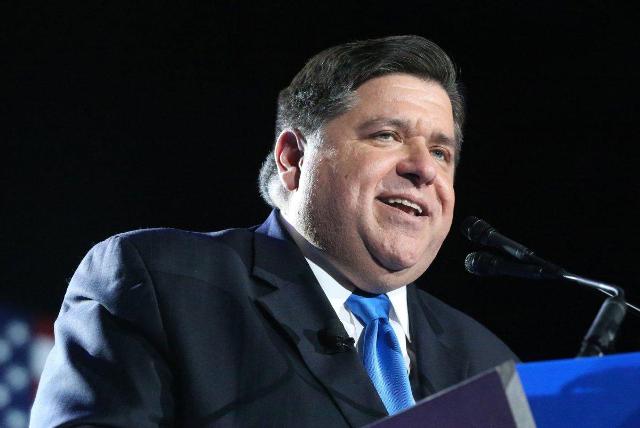
CHICAGO – Today, Governor JB Pritzker signed two bills (HB 4456 and HB 5524) that strengthen energy affordability and consumer protections by helping lower utility costs for working families across the state and increasing transparency around the charges that appear on monthly electric bills. This set of new laws builds on Gov. Pritzker’s affordability agenda by ensuring Illinoisans have greater access to energy assistance while increasing available data and transparency on billing.
Get The Latest News!
Don't miss our top stories and need-to-know news everyday in your inbox.
“Making life more affordable for working families means tackling the costs that show up every month, including rising energy costs,” said Governor JB Pritzker. “Illinois has made historic investments to strengthen our energy system while returning savings to consumers. By signing these bills, we are building on that foundational work by helping reduce energy costs for working families while increasing transparency on billing.”
Lowering Energy Bills for Illinois Working Families
HB 4456 strengthens the Illinois Commerce Commission’s (ICC) authority to approve utility low-income discount programs established by CEJA. The legislation ensures that eligible customers receive discounts covering their whole electric or gas bill, rather than certain charges, helping reduce energy costs for households with the greatest need while maintaining regulatory oversight through the ICC.

In 2023, the ICC ordered Illinois’ largest gas, electric, and water companies to offer low-income discount rates. The discounts range from 5% to 84% of customers’ total monthly gas bills, based on a five-tier system. Discounts are tied to income, number of people in the home, and the cost of service offered by the utility. Households eligible for the Low Income Home Energy Assistance Program (LIHEAP), at or below 300% the Federal Poverty Level, are automatically enrolled in the discount program but must apply for LIHEAP annually to keep the benefit.
Low Income Discount Rates for electric and water are also offered in 2026. For more about utilities’ various low-income discount programs, and access links to self-report your income, visit the ICC’s Utility Assistance webpage.
Increasing Transparency on Consumers’ Bills
HB 5524 requires the Commission on Government Forecasting and Accountability (COGFA) to publish a report detailing the charges that appear on a residential customer's monthly electric bill. The report will provide consumers with a clearer understanding of the additional charges and fees that go into their utility bill, promoting greater transparency and helping Illinoisans better understand their energy bills.
Building a More Affordable Energy Future for Illinois
Today’s legislation builds on Governor Pritzker's comprehensive strategy to make energy more affordable and reliable for Illinois working families. Since signing the Climate and Equitable Jobs Act (CEJA) in 2021, Illinois has expanded energy efficiency programs that help households reduce their energy use and utility bills, accelerated investments in clean energy that lower long-term costs, and preserved the state's nuclear capacity through the Carbon Mitigation Credit (CMC) program. That program alone has returned more than $2.2 billion directly to ComEd customers through credits on their electric bills, providing much needed relief for Illinois working families.
Earlier this year, Governor Pritzker continued that work by signing the Clean and Reliable Grid Affordability (CRGA) Act to strengthen grid reliability, expand energy storage, and unlock new, lower-cost sources of electricity that help protect consumers from future price spikes, expected to save consumers more than $13 billion. He also took executive action and directed agencies to support the development of new nuclear production to strengthen long-term energy reliability, and ensure Illinois continues to provide abundant, carbon-free electricity at competitive prices. Together with today's legislation, these actions reflect Gov. Pritzker’s commitment to lowering costs, improving transparency, and ensuring every Illinoisan has access to reliable, affordable energy.