
A cup of coffee made the same way every morning can feel oddly powerful. It is still just coffee. Yet the grinding, pouring, waiting, and first sip can steady the mind before the day begins.
Get The Latest News!
Don't miss our top stories and need-to-know news everyday in your inbox.
That small scene helps explain why humans enjoy rituals. Rituals are repeated actions that carry meaning. Some are formal, like weddings, funerals, and religious services. Others are personal, like touching a lucky charm before a test or taking the same walk after work. We often think of rituals as old or sacred, but they also show up in modern, ordinary life. People enjoy them because rituals give shape to experience. They calm us, connect us, and make important moments feel real.
What counts as a ritual?
A ritual is more than a habit. A habit is something we do automatically, often for convenience. Brushing your teeth is usually a habit. A ritual has extra meaning attached to it. Lighting a candle before dinner, saying the same words before a game, or making tea in a careful sequence can feel meaningful even if the action itself is simple.
The difference is not always sharp. A habit can become a ritual when people invest it with purpose. Think of the way families sing the same birthday song, or how friends always clink glasses before a toast. The action matters, but the meaning matters more.
That is one reason rituals are so satisfying. They turn ordinary behavior into something special.
Rituals create a sense of control
Life is full of uncertainty. People face stress at work, health worries, social pressure, and unexpected change. Rituals help by creating a small zone of order.
This is easy to see in sports. Athletes often wear the same socks, repeat the same warm-up moves, or follow a strict pre-game routine. These actions do not magically change the score. Still, they can lower anxiety and help the person focus. A ritual says, in effect, “I know what comes next.”
The same thing happens outside sports. A student may organize their desk in the same way before studying. A parent may read the same bedtime story every night. A commuter may stop at the same café before work. These routines can feel comforting because they reduce mental noise.
There is a common saying: “Trust the process.” Rituals are one way people do that. They break a big, uncertain challenge into familiar steps.
They help us mark important moments
Humans do not just live through events. We like to mark them.
Birthdays, graduations, weddings, and funerals all include rituals because major life changes can feel too large to take in all at once. Rituals give these moments form. They tell us, “Something important is happening here.”
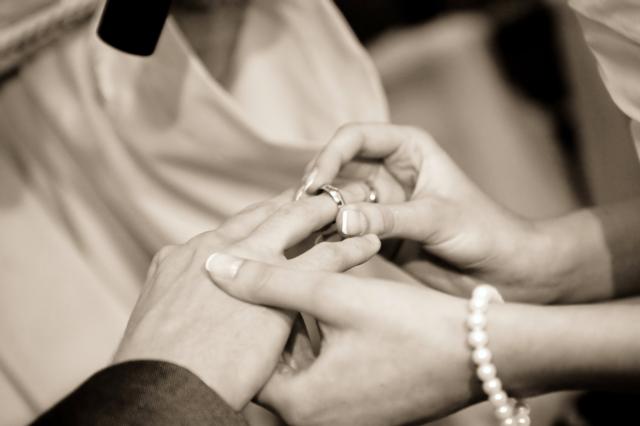
A graduation robe is just clothing, but wearing it signals a transition. A wedding ring is a small object, but it stands for a promise. Funeral customs, from black clothing to memorial speeches, help people express grief when words are hard to find.
Even private rituals can do this. Some people play a certain song after a breakup. Others write in a journal on the last day of a job. These acts help the mind recognize change.
Without rituals, life can feel blurred. With them, moments gain edges and meaning.
Rituals strengthen social bonds
Rituals are often shared, and that matters. Doing the same action at the same time creates a feeling of belonging.
You can see this in family traditions. Maybe one family always eats pancakes on Sunday. Another watches the same movie every holiday. The exact activity is not the main point. The point is that everyone knows the pattern and takes part in it.
Communities rely on this too. Religious services, national ceremonies, school assemblies, and team chants all bring people into sync. Singing together, standing together, or repeating familiar words can create a strong sense of unity.
There is a reason people say, “We’re all in this together.” Shared rituals make that feeling visible. They remind people that they are part of something larger than themselves.
This helps explain why rituals can feel emotional even when they are simple. A family recipe cooked the same way for years is not just food. It carries memory, identity, and affection.
Old roots, modern forms
Rituals are often linked with religion, and for good reason. Religious traditions developed many of the most structured rituals people know: prayer, fasting, festivals, blessings, pilgrimages, and rites of passage. These practices helped communities organize life, express beliefs, and pass values from one generation to the next.
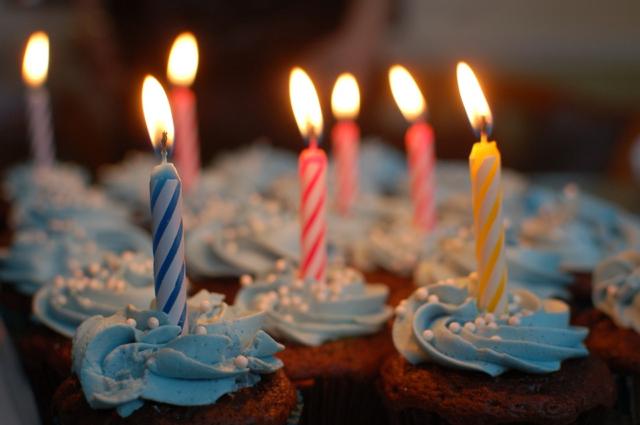
But rituals did not stay in temples, churches, mosques, or shrines. They spread into public and private life. National anthems, courtroom oaths, military salutes, and graduation ceremonies all borrow the power of ritual. So do modern practices that seem less serious, like blowing out birthday candles or counting down to midnight on New Year’s Eve.
Culture shapes these rituals in different ways. In Japan, tea ceremony turns serving tea into a careful art of attention and respect. In India, many festivals use color, light, and food to bring people together. In Mexico, Día de los Muertos rituals honor loved ones who have died. In the United States, Thanksgiving rituals often center on a shared meal and expressions of gratitude.
The details vary. The human need behind them is familiar.
Why repetition feels good
Repetition can be boring, but in rituals it often feels reassuring. Why?
First, repetition reduces decision-making. When a sequence is known, the mind can relax into it. Second, repetition builds anticipation. People enjoy hearing the same holiday songs or repeating the same toast because familiarity creates pleasure. Third, repetition deepens meaning over time. The more often an act is linked to comfort, family, or success, the more emotionally powerful it becomes.
This is why children often love repeated rituals. They may want the same goodnight words, the same seat at the table, or the same snack after school. Predictability helps them feel safe. Adults are not so different.
There is also a misunderstood idea here: rituals are not pointless just because they are symbolic. Symbolic acts can affect real feelings. Standing for a moment of silence does not change the past, but it changes how people hold that moment together.
Rituals can improve everyday life
Rituals do not need to be grand to matter. In fact, small personal rituals can be especially useful.
A morning ritual can help someone shift from sleep to work. An evening ritual can mark the end of stress. A pre-meal pause can encourage gratitude. A short cleaning ritual on Friday can signal closure before the weekend. Even a simple act like putting your phone away and making tea before reading can train the brain to slow down.
These rituals work best when they are intentional. The goal is not perfection. It is meaning.
Here are a few signs that a ritual may already be part of your life:
- You repeat it on purpose, not just out of habit.
- It helps you feel calm, focused, or connected.
- It marks a transition, like beginning, ending, or remembering.
- It would feel strange to skip it during an important moment.
If you want to create a useful ritual, start small. Choose one action. Attach it to a clear moment, like waking up, starting work, eating dinner, or going to bed. Keep it simple enough that you will actually do it. Over time, the meaning grows.
When rituals become too rigid
Rituals usually help, but they can also become limiting if they turn into rules that create fear. A calming routine is one thing. Feeling unable to function unless every step happens perfectly is another.
That is why healthy rituals should support life, not control it. They should add steadiness, not pressure. A good ritual gives structure while leaving room for change.
This balance matters in family traditions too. A holiday ritual can bring warmth, but it can also create stress if people care more about doing it “right” than being together. The meaning should lead the ritual, not the other way around.
Humans enjoy rituals because rituals do something plain efficiency cannot. They give emotion a structure, give uncertainty a shape, and give shared life a rhythm. A repeated act can calm the nerves, honor a loss, celebrate a joy, or remind a person where they belong. That is why the small rituals of ordinary days often last as long as the grand ceremonies of major events. They help turn life from a series of tasks into something felt, remembered, and shared.