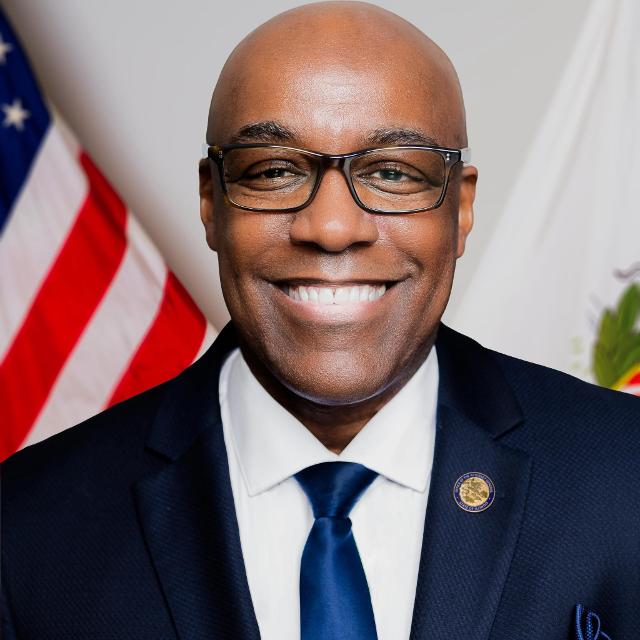

CHICAGO – Attorney General Kwame Raoul announced a $120 million settlement with Monsanto Company (Monsanto) and affiliates Solutia Inc. and Pharmacia LLC over the environmental and health effects of Monsanto’s decades-long production of polychlorinated biphenyls, known as PCBs.
Get The Latest News!
Don't miss our top stories and need-to-know news everyday in your inbox.
Raoul’s office filed a 2022 lawsuit alleging the company was aware of the chemicals’ toxicity while publicly denying any knowledge of the danger to human health and the environment. This settlement will provide funds to address PCB contamination in the state of Illinois, the city of Chicago and surrounding cities of Evanston, Lake Forest, North Chicago, Zion, Beach Park, Glencoe, Lake Bluff, Winnetka and Winthrop Harbor.
“This settlement helps Illinoisans recover from the unlawful and reckless behavior that led to contamination in their communities,” Raoul said. “PCBs have been banned in the U.S. for decades. I’m pleased that this settlement will hold Monsanto accountable for producing and disposing of a dangerous toxic chemical that continues to impact Illinois’ natural resources.”
Under the agreement, the state will receive $80 million by March 31, 2026, which will be allocated to the state and the nine settling cities. In addition, the state will receive a minimum of $40 million up to a maximum of $200 million, depending on the outcome of additional, related legal actions. In total, Illinois and the settling cities could receive additional amounts up to a total of $280 million. In addition to the settlement, the court approved a motion to dismiss the lawsuit, resolving the Attorney General’s litigation.
PCBs have been banned by the Environmental Protection Agency (EPA) since 1979. Until then, they were used in a diverse range of products, including paints, caulks and industrial electrical equipment lubricants. Nearly all hazardous materials used in the United States, including PCBs, were manufactured by Monsanto, many of them at the company’s facility in Sauget, Illinois. From 1960 to the mid-1970s alone, Monsanto sold nearly 50 million pounds of commercial PCB mixtures to customers in Illinois.
For decades, Monsanto discharged massive amounts of hazardous waste from its Krummrich Plant in Sauget directly into the surrounding environment, including sewers that allowed the toxic waste to enter the Mississippi River. Hazardous waste was also dumped in landfills, which allowed waste to leach into surrounding soil, water, groundwater and air.
Human health effects associated with PCB exposure include cancer; reproductive toxicity including increased difficulties conceiving, neuro-developmental and neurobehavioral changes; and liver, thyroid, dermal and ocular changes.
Division Chief Matthew Dunn, Bureau Chief Stephen Sylvester, Supervising Attorney Elizabeth Dubats and Senior Assistant Attorneys General Gerald Karr and Nancy Tikalsky handled the case for Raoul’s Environmental Bureau. Attorneys from Power Rogers LLP and Grant & Eisenhofer P.A. co-prosecuted the case as special assistant attorneys general.