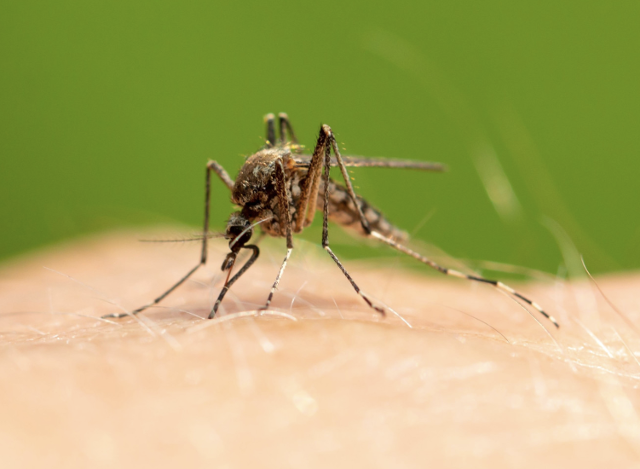

SPRINGFIELD – The Illinois Department of Public Health (IDPH) is reporting that the first mosquito pool of the year to test positive for West Nile virus (WNV) this year was collected on May 9 in Rockford by the Winnebago County Health Department. The specimen tested positive for WNV on May 12.
Get The Latest News!
Don't miss our top stories and need-to-know news everyday in your inbox.
“The news of the first batch of mosquitos carrying West Nile virus is a reminder for Illinois residents to begin protecting themselves from diseases caused by mosquito and tick bites,” said IDPH Director Dr. Sameer Vohra. “The best defense against West Nile virus is to practice the ‘Three R’s’: reduce, repel, and report’. IDPH urges everyone, and especially those who are older or have weakened immune systems, to ‘Fight the Bite’ and protect themselves and their families from mosquitoes and the viruses they carry.”

Last year in Illinois, IDPH reported that 72 counties around the state reported positive tests for WNV in mosquitos, birds, horses or humans. There were 69 confirmed human cases of WNV according to IDPH data and 13 human deaths, the highest number since 17 deaths were recorded in 2018.
IDPH maintains a robust surveillance system to monitor WNV both in the environment, with laboratory testing of mosquito batches and sick horses, and among Illinois residents by investigating and monitoring human infections.
West Nile virus is transmitted through the bite of a Culex mosquito, commonly called a house mosquito, that has picked up the virus by feeding on an infected bird. Common symptoms include fever, nausea, headache and muscle aches. Symptoms may last from a few days to a few weeks. Most people infected with West Nile virus will not show any symptoms; however, in rare cases, severe illness including meningitis, encephalitis, or even death, can occur. People older than 60 and individuals with weakened immune systems are at higher risk for severe illness from West Nile virus.
IDPH urges the public to Fight the Bite by practicing the three “R’s” – reduce, repel, and report:
- REDUCE- make sure doors and windows have tight-fitting screens. Repair or replace screens that have tears or other openings. Try to keep doors and windows shut.Eliminate, or refresh each week, all sources of standing water where mosquitoes can breed, including water in bird baths, ponds, flowerpots, wading pools, old tires, and any other containers.
- REPEL- when outdoors, wear shoes and socks, long pants and a light-colored, long-sleeved shirt, and apply an EPA-registered insect repellent that contains DEET, picaridin, oil of lemon eucalyptus, IR 3535, para-menthane-diol (PMD), or 2-undecanone according to label instructions. Consult a physician before using repellents on infants.
- REPORT – report locations where you see water sitting stagnant for more than a week such as roadside ditches, flooded yards, and similar locations that may produce mosquitoes. The local health department or city government may be able to add larvicide to the water, which will kill any mosquito larvae.
Additional information about West Nile virus can be found on the IDPH website.